Newsletter
PoolStore no longer use Facebook or Twitter. To get the latest news, offers and top tips please sign up for our newsletter.
Trusted Merchant

Read Our Reviews
We are rated 4.7 out of 5 by over 200 pool owners.
Our independent review profile has been active since Spring 2023.
Pool Heaters
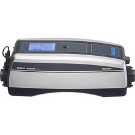
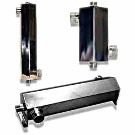

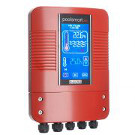
Swimming Pool Heaters: Find the Perfect Heating Solution
At PoolStore, we supply a comprehensive range of swimming pool heaters tailored to every requirement—from 10ft backyard splasher pools to large semi-commercial installations.
Choosing the Right Energy Source
The first step in selecting a heater is determining your available energy source. Below is a breakdown of the most efficient ways to heat your pool based on your utilities and pool size.
Gas-Fired Swimming Pool Heaters
If your property has access to mains gas, a gas heater is often the most powerful and fastest way to heat your water.
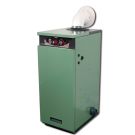
- Top Recommendation: The Certikin Genie Boiler.
- Why it wins: It is currently the only condensing pool boiler on the market. Unlike conventional heaters, it captures heat that would otherwise be wasted, making it significantly more energy-efficient and cost-effective.
Electric Heaters & Energy-Efficient Heat Pumps
If gas isn't an option or you have a smaller pool, electricity is the standard alternative. You generally have two choices:
- Direct Electric Heaters: Brands like Elecro and Thermalec are reliable and affordable upfront. Best for: Pools with a volume of less than 5,000 gallons.
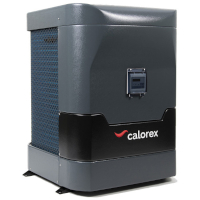
- Swimming Pool Heat Pumps: While they have a higher initial purchase price, they use significantly less electricity by extracting heat from the air. Best for: Long-term energy savings on medium-to-large pools.
Oil-Fired Heaters for Large Scale Pools
For large-scale or commercial pools without gas access, an oil-fired swimming pool heater might be necessary. However, because oil prices can be volatile, we always recommend checking if a high-capacity heat pump could meet your needs first to save on long-term running costs.
Swimming Pool Heat Exchangers
A heat exchanger is a clever way to leverage your existing domestic boiler
- How it works: It connects directly to your domestic boiler via a feed pipe.
- The Advantage: It utilizes the spare capacity your boiler has during the summer months. It’s an incredibly cheap pool heating solution to purchase, though it does require professional pipework installation
Summary Comparison Table
| Heater Type | Best For | Pros | Cons | ||||||||
|---|---|---|---|---|---|---|---|---|---|---|---|
| Gas (Condensing) | Speed & Power | Most efficient gas option | Requires mains gas | ||||||||
| Direct Electric | Small pools (<5k gal) | Low upfront cost | Higher running costs | ||||||||
| Heat Pump | Energy Efficiency | Lowest running costs | Higher initial price | ||||||||
| Heat Exchanger | Home integration | Very cheap to buy | Complex installation |